



A few weeks after a set the question arises: come in for an infill, or remove everything and start fresh? Let's see what happens to lashes over time — and what is actually more economical.
How lashes grow
A lash is not a "living" hair in the usual sense: its cells form, harden into a shaft, and in due time the lash falls out to make way for a new one. This renewal cycle runs constantly — just like the hair on your head.
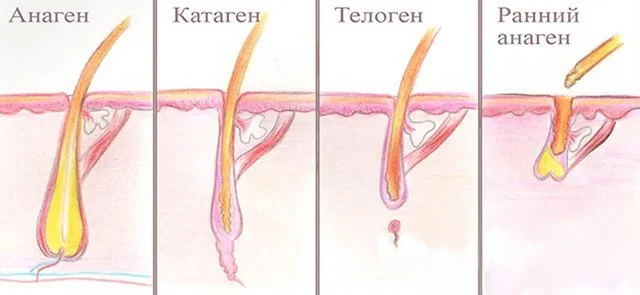
Classic extensions follow the Japanese technique: one artificial lash per natural one. The extension leaves together with its natural lash in its own time.
What things look like by infill time
After 2–3 weeks about a third of the extensions are gone along with the natural lashes; some have grown out and changed direction. At an infill the artist removes the grown-out and twisted ones and fills the gaps. The result is inevitably a compromise:
Adhesive. A bond has its own lifespan — "older" lashes in the set are already losing grip and will not hold as well as new ones.
Aesthetics. Lashes of different "ages" differ in length and direction — the set looks less tidy than fresh work, and more so every week.
Money. An infill takes almost as much painstaking work as a new set — and costs about the same.
Hygiene. Full removal allows a thorough cleanse of the lash line, where invisible build-up accumulates.
Resnichniy Dom School
Understand the technology professionally
Lash growth cycles, adhesive behaviour and application technique are part of our foundation course. 300+ graduates from different regions and countries, an international certificate, on-site and online formats. A trial lesson is 3,000 ₽ and counts towards the course fee.
The takeaway: an infill saves neither money nor time. A fresh set gives a neater result, predictable retention and clean lashes — which is why we recommend it.
Resnichniy Dom · Kaliningrad
Book a fresh set
Removal, care and a new set built on an individual map — from 2,800 ₽. 15% off your first visit; online booking is available around the clock.